
Showcasing disability excellence from around Europe on Dec 3rd
December 3rd is known as the International Day of Persons with Disabilities. It’s a day that highlights the importance of the UN Convention on the Rights of Persons with Disabilities. We take the opportunity to look at the progress we have made in achieving disability rights, and a moment to pause and acknowledge how for some communities, there is still a very, very long way to go.
The theme in 2024 was ‘Amplifying the leadership of persons with disabilities for an inclusive and sustainable future’. As a disability-led team whose practice is rooted in disability justice (a framework coined by Sins Invalid), the importance of moving from the perspective of disabled people as in need of charity, to that which presents disabled people as leaders, is much needed and very timely, as new governments become elected and key legislation determining disability rights is globally actioned.
But our quest for disability rights doesn’t eliminate the need for disabled joy. Finding joy in creating meaningful access, in showcasing arts and culture by disabled creatives, and in pointing to initiatives and programmes that are being established in our own communities, that could have global impact.
Tilting the Lens is currently based across Europe in Belfast, Berlin, Copenhagen, Glasgow, London and Trim. Below, our team has personal recommendations from their local area; everything from books and art, to useful tools and events.
We hope you find them useful and even more, we want to know about the disabled joy that exists in your locality.
Áine, Senior Consultant
Berlin, Germany
- Magazine: VALID Magazine is a magazine that “brings lively stories that show, with a wink, what it means to live inclusion in everyday life. With a fresh look at living together in all its diversity, VALID creates a modern image of society that leaves prejudices behind and celebrates diversity.”
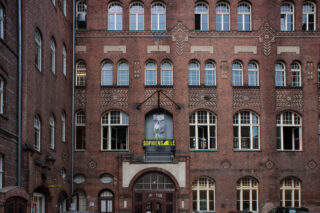
- Theatre: The Sophiensaele, a Berlin performance art theatre that has a really thoughtful and consistent approach to accessibility.
- Book: Angry Cripples – Stimmen behinderter Menschen gegen Ableismus by Alina Buschmann und Luk Bornhak
Conny, General Manager
Scotland
- Event: Scottish Queer International Film Festival (SQIFF) SQIFF 2024 included many access measures like sliding scale ticket prices, BSL Interpreters, descriptive subtitles, live captioning, and quiet room.
- Shop: BrailleBliss: is a shop for Braille greeting cards, keyrings, labels etc.
- Museum: The Glasgow Science Museum has incorporated different accessibility measures including using the WelcoMe app, recognising the Hidden Disabilities Sunflower scheme, and having wheelchairs available during the visit.
Emma, Senior Consultant leading on Community and Impact
England
- Library: Braille and Beyond Library Tour: From September 2024, the UK will embark on a journey of celebration and discovery with the launch of the Braille and Beyond Tour across the UK. This year-long initiative invites you to join braille experts and allies in honouring the 200th anniversary of the braille code’s invention and exploring its profound impact in the lives of Blind and partially sighted people.
- Photography: Dexter McLean: Artist Research Commision Autograph commissioned the photographer Dexter McLean as part of the ‘Explorers’ project to undertake a research project with disabled communities in Kingston, Jamaica.
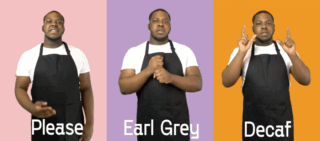
- Café: Hidden within the Royal Docks Centre for Sustainability, Dialogue Café is part of the Dialogue Hub, a social enterprise promoting inclusion and social change. The café is staffed by Deaf and hard of hearing baristas, inviting customers to order using British Sign Language (BSL). If you’re not familiar with BSL an interactive screen is available to guide you.
Gin, Research and Communications Intern
Denmark
- Art: The project Mapping Disability Access to Danish Art Spaces has started mapping inaccessibility throughout Denmark through “interactive self-reported mapping works you can see the limitations to resources, opportunities, and participation in the art field. You can explore different spaces through the maps of Anthony Dexter Giannelli, Cath Borch Jensen, and Anna Walther.
- Books: Danish Architectural Press has recently published books on access, justice, and universal design. Some of these titles are No Access: Social Exclusion in Urban Spaces, edited by Pia Justesen, Building + Breaking: Eight Conversations about Spatial Justice, edited by AAA Diversity Collaborative Architecture, and Universal Design in Architecture: On enabling and empowering a diverse population, by Camilla Ryhl.
- Event: The LGBTQ+ Film Festival, MIX CPH, held a short film programme ‘Crip Your Heart Out”’ focusing on queer disabled stories. They also hosted two community screenings outside of often-inaccessible cinema rooms, at a community space, and as an online watch party.
Laia, Consultant
Spain
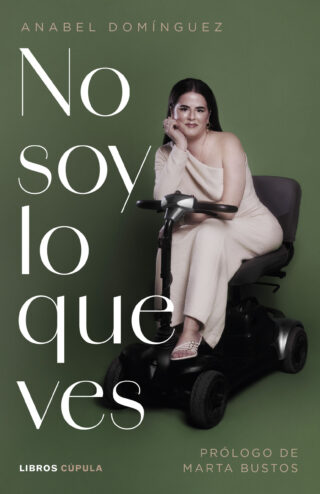
- Book: The book “No soy lo que ves” by Anabel Domínguez – gives the perspective of what disability inclusion should be from the point of view of a young Spanish disabled woman and gives Gen Z a reference to look at.
- Organisation: Plena Inclusion is an organisation that supports people with intellectual disabilities. Following the DANA catastrophe in Spain, they raise funds to support people with intellectual disabilities affected by the disaster.
- Person: Alex Roca, recently named the best content creator for inclusivity by Forbes Spain, has set several records in the world of sport and is now working to make the Spanish fashion scene more accessible and inclusive.
Orla, Senior Consultant
Northern Ireland
- Books: Libraries NI is a fabulous resource available to everyone, not only for their physical spaces and mobile services but also their online resource of books, audiobooks, magazines and newspapers that can be accessed using any smart device. They also have a podcast and book blog which can help to choose a reading list.
- Gallery: University of Atypical support and promote work by d/Deaf, disabled and neurodivergent artists in Northern Ireland and beyond, at their city centre gallery and through a programme of events and at their city centre gallery, that includes the annual Bounce Arts Festival where every aspect of diverse identity is celebrated.
- Tool: Active Living No Limits is a useful tool to help to find accessible sport or active recreation opportunities across Northern Ireland, everything from walking clubs to trekking through a forest and mountain bike trails.
Sinéad, CEO and Founder
Ireland
- Writing: Legless in Dublin is typically an excellent resource for access information about Charli XCX’s tour or the nighttime economy, but their recent reflection of 20 years of being an amputee is a must-read.
- Art: Disrupt Disability Arts Festival is a new, annual disability-led arts festival that creates radical access. It is curated by and for the disability community, and includes hybrid and masked performances, with ISL interpretation, audio description, quiet rooms, and relaxed performances as a baseline. @disruptdisarts
- Programme: Mirroring the UK government’s Access to Work, the Irish Government created the first government-funded scheme for reasonable accommodations: Work and Access
Other Resources
Beyond function: a conversation on how alt-text becomes art
- Category:
- Past Events
- Webinars
- Format:
- Text
- Video